We Care About Your Privacy
By clicking “Accept all”, you agree to the storing of cookies on your device to enhance site navigation, analyze site usage, and assist in our marketing efforts. View our Privacy Policy.
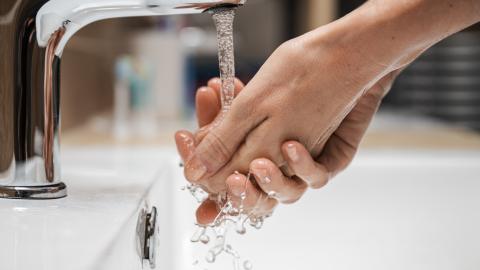
Hygiene is not only an essential topic for all learners, but one that can be made practical, visual, and repetitive, too - which is great for learners with additional needs. Teaching hygiene isn’t just a health topic; it builds essential life skills. When young people learn routines like washing hands and brushing teeth, they are developing independence, self-care, and personal responsibility as they move towards independent adulthood.
Tip or Idea: Introduce core words such as soap, clean, and germs and then move to structured sentence stems like “I was my hands”. This supports language development, comprehension, and confidence whilst keeping instructions clear and accessible for all learners. Actions, chants, and routine visuals help to keep learning lively, memorable, and accessible.
Learning Village resource: Our Hygiene resource offers a wide range of activities to support your learners. Why not print the handwashing visual and display it by your sinks as a regular reminder?


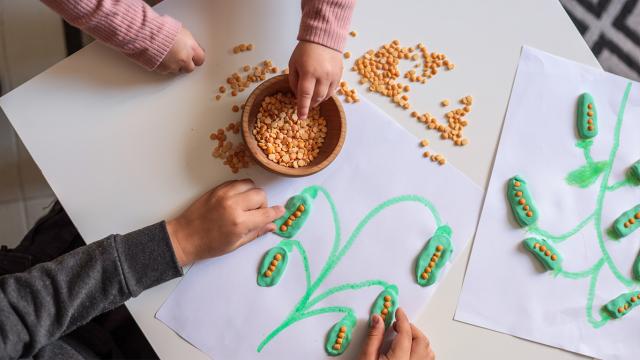
Kinaesthetic learning - or ‘learning by doing’ - involves physical and hands-on activities. Learners may prefer to touch, feel, and experience things first hand, and thrive on movement, exploration, and interaction with the world around them. For many learners, including those with certain SEND needs such as autism and ADHD, this approach is engaging, motivating, and effective in supporting learning retention and understanding.
Learners with speech and language difficulties may find it difficult to use the correct tense or find it hard to understand the concepts of time.
Tip or Idea: Take 5 minutes to chat together at the end of a busy day or lesson. Talk about what you did, what you enjoyed or what made you laugh. This gives learners the opportunity to practise using the past tense and maybe time and order words too like first, next and then.
During the school summer holidays pupils may lack opportunities to practise and revisit skills they have been learning in class. Research indicates that students can lose between one to three months of learning during their extended break! Considering ways to keep learners engaged throughout the summer is an important step in reducing lost learning. This is especially important for students with additional needs who may face challenges with learning retention, retrieval, and recall.


The 10 most recently created lessons by the Learning Village team:
Blended vocabulary, language structure and reading programme for EAL and multilingual learners
Once you have registered for your free trial we will be in touch to get you started on the first step of your Learning Village Journey.