We Care About Your Privacy
By clicking “Accept all”, you agree to the storing of cookies on your device to enhance site navigation, analyze site usage, and assist in our marketing efforts. View our Privacy Policy.
Did you know Learning Village supports a wide range of curriculum topics? This allows you to support your SEND learners within the main class environment by offering scaffolded resources.
Tip or Idea: Pre-teaching curriculum-specific vocabulary before a whole class session can help your SEND learners feel more confident and enable them to access class learning more easily.
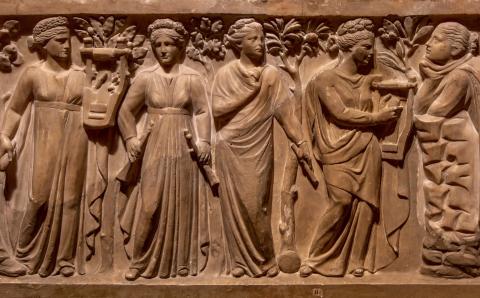
Free resource to help you with this activity: Play our Ancient Greeks matching for meaning game and support curriculum-specific vocabulary learning.


It is widely recognised that young people and their families should be at the heart of their educational journey. The phrase “nothing about us without us” simply and powerfully reflects the need to include young people and their families in decisions that affect them. Pupil voice can provide crucial insights into the needs of young people with SEND. Parents can also provide a valuable overview of a child’s needs, strengths, and challenges. Using these insights to guide learning opportunities can enhance engagement, enjoyment and, ultimately, progress.
Progressing from single words to full sentences is essential for learners’ confidence and access to the curriculum. The first goal is to build vocabulary and meaning. Start with key vocabulary using visuals, repetition, and word banks. Next, support learners with sentence stems and substitution tables to build phrases and gradually progress to expanding sentences with adjectives and conjunctions.
Learners with speech and language difficulties may find it difficult to remember words or think or the word they want to use when they are talking.
Tip or Idea: Think of a category such as ‘animals’ or ‘things in a kitchen’ and then see how many words you can name. Each time you think of a word place a Lego piece on top of another and see how tall a tower you can build!


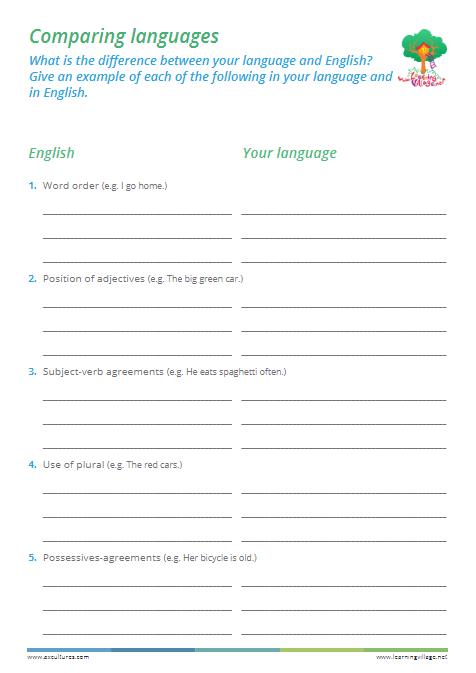

A lovely resource which encourages your learners to explore an interesting image and create and discuss their own.


Blended vocabulary, language structure and reading programme for EAL and multilingual learners
Once you have registered for your free trial we will be in touch to get you started on the first step of your Learning Village Journey.