We Care About Your Privacy
By clicking “Accept all”, you agree to the storing of cookies on your device to enhance site navigation, analyze site usage, and assist in our marketing efforts. View our Privacy Policy.
For many learners, phonics can provide a clear, structured pathway into reading and spelling. For learners with SEND, phonics can offer small, sequential steps that reduce cognitive load. Improving phonics skills can also build independence for learners, as it enables them to decode unfamiliar words without relying solely on context or translation. This helps learners to access the wider curriculum and develop their confidence.
Tip or idea: Repetition and overlearning is vital for learners with memory, processing, or attention difficulties. Precision Teaching is a highly structured, evidence-based approach which can help to build fluency in phonics through short, focussed, and positive sessions. Adapt your sessions to the needs and interests of your learners.
Learning Village resource: Clear record-keeping helps to ensure teaching is responsive and targeted. Accurate tracking can also help identify gaps, monitor progress, and celebrate successes. Our Phonics Tricky Words Assessment provides a quick and easy way to track your learner’s progress.


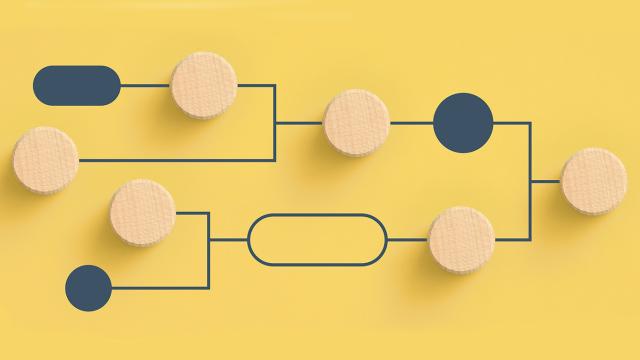
Graphic organisers can be a powerful tool for learners with dyslexia. They enable learners to plan and structure their ideas in a visual and accessible way. Focusing on getting ideas organised before navigating challenges with grammar and spelling can be a positive approach. The visual scaffold reduces working memory strain by keeping ideas clearly organised and structured. This allows more cognitive space for sentence construction and spelling, which might be challenging.
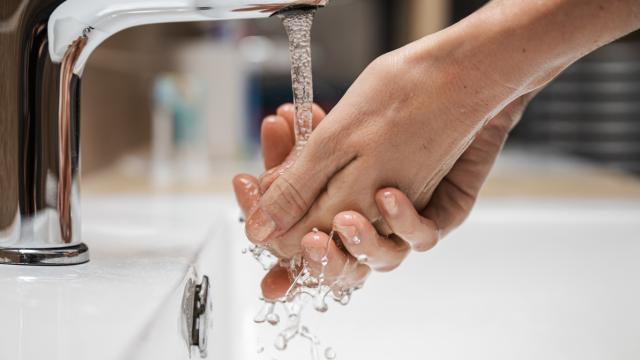
Hygiene is not only an essential topic for all learners, but one that can be made practical, visual, and repetitive, too - which is great for learners with additional needs. Teaching hygiene isn’t just a health topic; it builds essential life skills. When young people learn routines like washing hands and brushing teeth, they are developing independence, self-care, and personal responsibility as they move towards independent adulthood.
During the school summer holidays pupils may lack opportunities to practise and revisit skills they have been learning in class. Research indicates that students can lose between one to three months of learning during their extended break! Considering ways to keep learners engaged throughout the summer is an important step in reducing lost learning. This is especially important for students with additional needs who may face challenges with learning retention, retrieval, and recall.


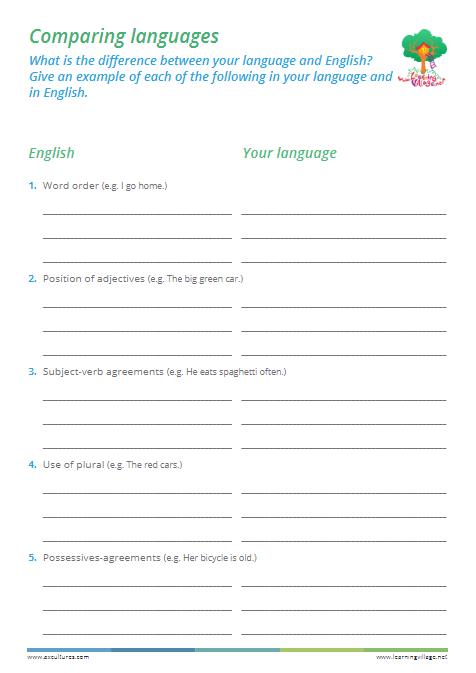

A lovely resource which encourages your learners to explore an interesting image and create and discuss their own.


Blended vocabulary, language structure and reading programme for EAL and multilingual learners
Once you have registered for your free trial we will be in touch to get you started on the first step of your Learning Village Journey.